
What is Ceramic Coating?
Ceramic coating is a liquid polymer that chemically bonds to your vehicle’s clear coat, forming a durable, hydrophobic layer that shields paint from UV rays, chemical contaminants, and minor scratches. Unlike traditional wax, which sits on top of the paint and wears off within weeks, a professionally applied ceramic coating lasts 3–7 years, with a premium tier lasting up to 10 years, and delivers significantly stronger protection with far less ongoing maintenance.
The Quick Answer
If you just want the bottom line: ceramic coating lasts years and provides significantly stronger protection than wax. But wax has its place too. The right choice depends on how you use your vehicle, how long you plan to keep it, and what level of maintenance you’re comfortable with.
Let’s break it down.
What Traditional Wax Actually Does
Car wax, whether it’s a paste, liquid, or spray, sits on top of your clear coat and creates a thin sacrificial layer. That layer does a few things:
- Adds gloss by filling in microscopic imperfections in the paint
- Repels water temporarily (hydrophobic effect)
- Provides mild UV protection against sun fade
The catch? Wax breaks down quickly. On Long Island, where we deal with salt air, road brine in winter, and intense summer sun, most waxes last 4–8 weeks before they’re effectively gone.
That means you’re re-applying every month or two to maintain any real protection.
How Ceramic Coating Is Different
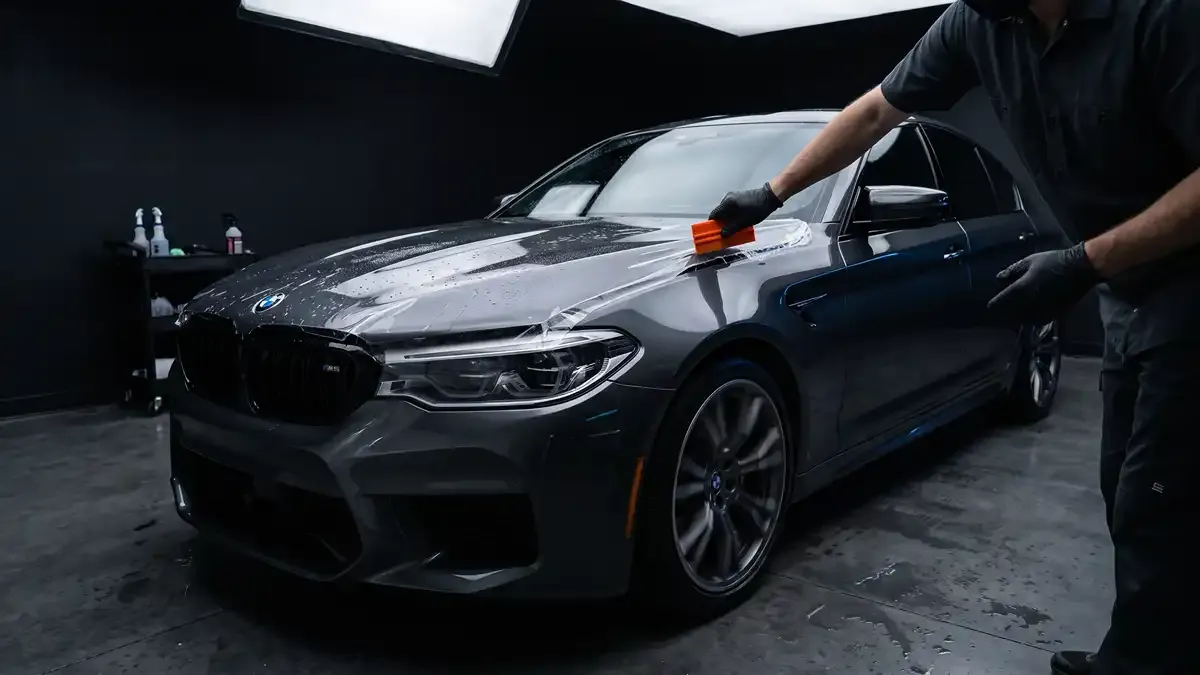
A professional ceramic coating is a liquid polymer that chemically bonds to your vehicle’s clear coat. Once cured, it becomes a semi-permanent layer, not something that washes off in the rain.
What that means in practice
- Longevity: Professional-grade coatings last 3–7 years depending on the product and maintenance, with a premium tier lasting up to 10 years
- Hardness: Creates a surface that’s significantly more resistant to scratches and chemical etching
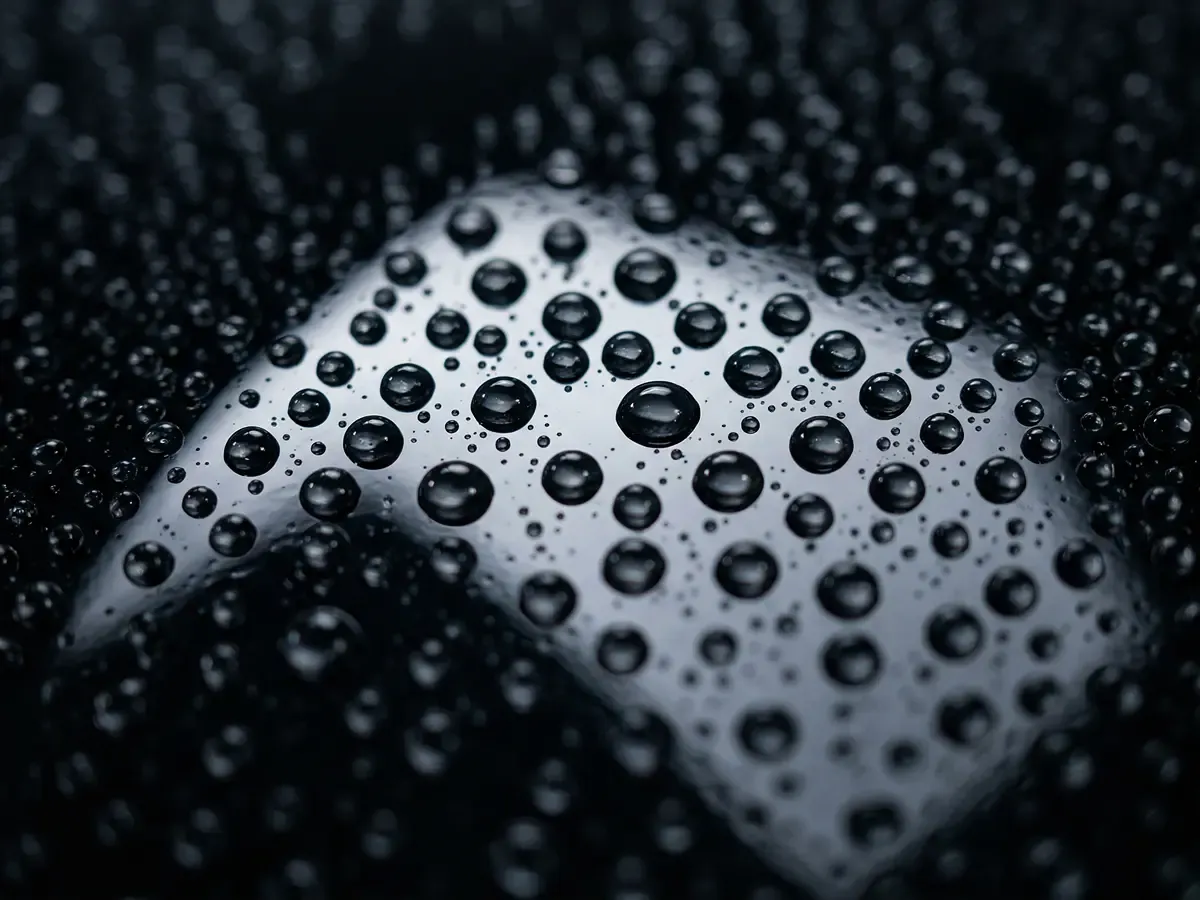
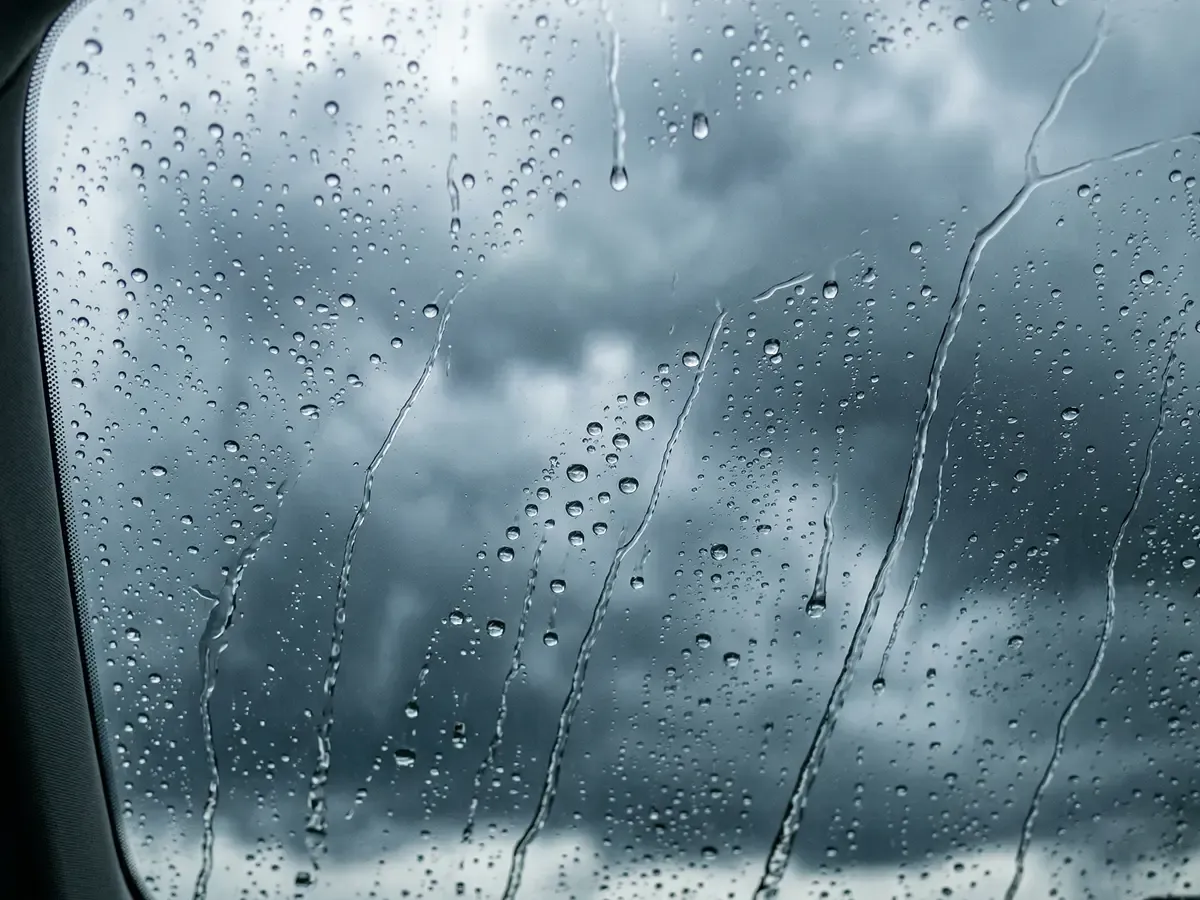
- Hydrophobic properties: Water beads and sheets off far more aggressively than wax
- UV resistance: Prevents oxidation and color fade over time
- Chemical resistance: Road salt, bird droppings, tree sap, and bug splatter are easier to remove and less likely to damage the paint
The Cost Comparison
Here’s where the conversation gets honest.
A quality wax job might run $50–$150 depending on the product and whether you’re doing it yourself. But multiply that by 6–12 applications per year, and you’re looking at $300–$1,800 annually in materials and labor.
A professional ceramic coating is a larger upfront investment, but it’s a one-time cost that protects for years. When you factor in reduced maintenance, fewer washes, and long-term paint preservation, the math usually favors ceramic, especially if you plan to keep the vehicle for more than a year.
Why It Matters More on Long Island
Long Island throws everything at your paint:
- Winter road salt and brine that accelerates corrosion
- Summer UV exposure that fades and oxidizes clear coat
- Coastal salt air near the shore
- Tree sap and pollen in spring and fall
Wax simply can’t keep up with that kind of year-round environmental assault. A ceramic coating creates a barrier that handles all of it without constant reapplication.
Which Should You Choose?
Wax makes sense if:
- You’re detailing a weekend car that stays garaged
- You enjoy the ritual of hand-waxing
- You’re working with a tight budget and don’t mind frequent reapplication
Ceramic coating makes sense if:
- You drive daily and want set-it-and-forget-it protection
- You want to preserve resale value
- You’re tired of rewaxing every few weeks
- You want the best defense against Long Island’s climate
One thing to settle before either option: a coating seals in whatever the paint looks like on the day it goes on. If there are swirls or etching in the clear coat now, they have to come out first, and how far that polishing needs to go depends on how deep the defects run. Our guide to paint correction levels covers what each level actually removes.
The Best of Both Worlds

Many of our clients at Revibe pair ceramic coating with paint protection film (PPF) on high-impact areas like the front bumper, hood, and mirrors. The PPF handles physical damage (rock chips, road debris) while the ceramic coating protects every other surface from environmental contamination.
It’s the highest level of protection you can give your vehicle without keeping it in a bubble.
Frequently Asked Questions
Can you apply wax over a ceramic coating?
It is not recommended. Wax sits on top of the ceramic coating, masking the hydrophobic effect the coating provides. Within a few weeks the wax breaks down and the coating performs normally again, so the wax adds nothing while temporarily reducing the coating's beading behavior. For a coated car, use only ceramic-safe maintenance products.
How often do you need to re-wax a car on Long Island?
Traditional wax on Long Island lasts 4 to 8 weeks before it is effectively gone. Drivers who rely on wax for protection need to reapply 6 to 12 times per year to maintain consistent coverage. Salt air, road brine, and UV exposure all shorten wax life compared to milder climates.
Is DIY ceramic coating as good as a professional application?
No. Consumer DIY ceramic kits use weaker formulations that last months rather than years. Professional ceramic coatings are pro-grade chemistries with proper paint correction beforehand and controlled cure conditions. The price difference reflects the durability difference: a DIY coating lasts a season, a professional coating lasts 3 to 7 years, with a premium tier lasting up to 10 years.
Does ceramic coating make paint shinier than wax?
Yes. Ceramic coating delivers a deeper, sharper, more reflective gloss than wax because it bonds chemically to the clear coat and creates a smoother surface for light to bounce off. Wax adds gloss too, but the effect fades along with the wax. Ceramic gloss stays consistent for years.
How long does a professional ceramic coating last compared to wax?
A professional ceramic coating lasts 3 to 7 years, with a premium tier lasting up to 10 years. Wax lasts 4 to 8 weeks on Long Island. That gap is the core of the value proposition: one ceramic application replaces dozens of wax applications over its lifespan, with stronger protection at every stage.