The Short Answer
The best time to get paint protection film is before your paint gets damaged, not during any particular season. Because the install happens indoors in a climate-controlled studio, PPF can go on any month of the year, so the real question is not “what season” but “what event.” The two smartest windows are the day you buy a new car and the weeks before winter.
That is the honest version of the answer. The idea that you have to wait for warm, dry weather is a myth, and on Long Island specifically, waiting usually just means more rock chips and salt exposure before the film is protecting anything.
Can PPF Be Installed in Winter?
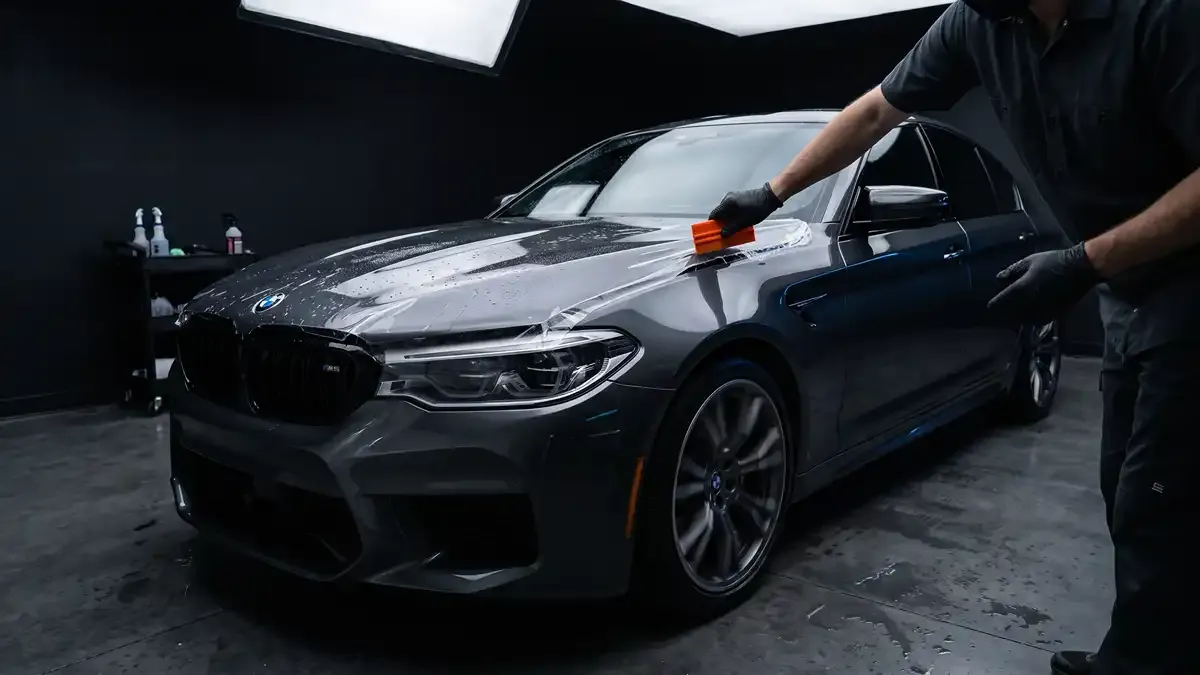
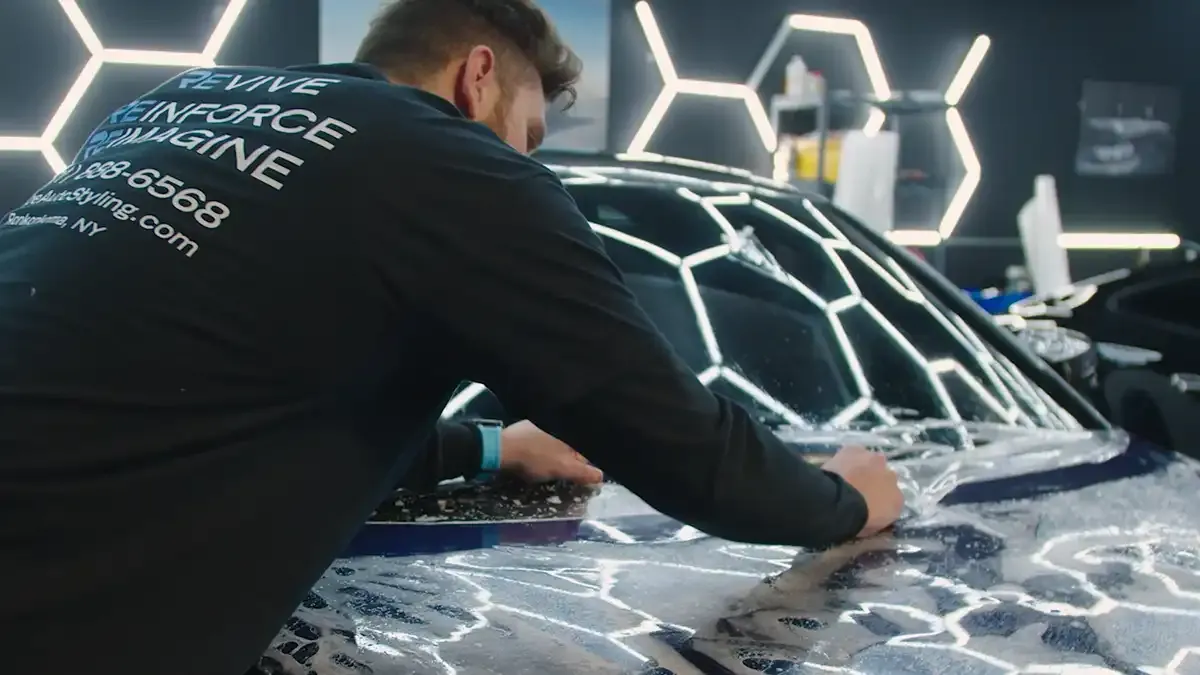
Yes, and this is the single most common misconception we correct. Paint protection film is installed in a climate-controlled indoor bay, where the temperature and humidity are held at the range the film needs to bond correctly. The weather outside is irrelevant to the install.
A film installed in January is identical in quality to one installed in July. The studio is heated, dust-filtered, and lit for inspection regardless of season. So “I’m waiting for spring” is not a technical reason to delay, it is just a delay, and every week the car is driven unprotected is another week of potential chips and etching that the film would have stopped.
If anything, winter is one of the better times to have PPF on the car, because that is when road salt and brine are attacking the paint hardest. More on that below.
The Real Answer: Protect Before the Threat, Not After
If season does not drive the decision, what does? The threat calendar. On Long Island, paint faces two predictable damage seasons, and the goal is to have the film on before each one:
- Before winter (late fall): Road salt, brine, and sand are the harshest thing Long Island paint faces all year. Getting PPF on the front end before the first storm means the film takes the salt spray and grit instead of your clear coat.
- Before summer driving season (spring): Highway miles on the LIE, Sunrise Highway, and the Northern State throw the most rock chips and road debris during heavy summer travel. Film installed in spring is protecting the paint through the worst of it.
In practice, that means the two best pre-emptive windows are fall and spring, but not because of the weather. It is because those are the run-ups to the seasons that actually damage paint. If you are reading this at any other time of year, the answer is still simple: the best time is now, before the next threat season, not after.
New Car? Install PPF Immediately
The one timing rule that beats every seasonal consideration: if you just bought a new car, get PPF before you put miles on it.
The value of PPF is preventing damage, and paint that is already chipped cannot be un-chipped by film applied later. Every mile a new car drives unprotected is a chance for a rock chip that becomes permanent. Coordinating the install right after delivery means:
- The factory finish is protected from day one
- There is no existing chip or scratch getting sealed under the film
- The car is at its best possible starting condition, which is exactly what you want to lock in
Many of our clients schedule PPF to coincide with a new-vehicle purchase, dropping the car off within days of picking it up from the dealer. That is the ideal, and it has nothing to do with the calendar.
One common worry: do you need to wait for the paint to cure? For a factory finish, no. Factory paint is fully cured before the car ever reaches the lot, so it can be filmed immediately. The waiting period only applies to a fresh repaint or bodywork, which typically needs 30 to 90 days to cure and outgas before film goes on. If your car has had recent paintwork, mention it at the consultation and we will confirm the timing.
Timing PPF With Ceramic Coating
If you are planning both PPF and ceramic coating, the two are usually done in the same visit, in order: paint correction if needed, then PPF on the impact zones, then ceramic over the entire vehicle including on top of the film. Bundling them into one appointment is more efficient than spacing them months apart, and it avoids having to remove ceramic from any panel that later gets filmed.
If you can only do one now and the other later, that is fine too, and our breakdown of PPF vs ceramic coating and which to install first walks through how to sequence them. The timing principle is the same for both: protect before the damage, not after.
Scheduling and Seasonal Demand
Here is the one place the calendar genuinely matters: lead time. While the install itself is season-proof, demand is not evenly spread across the year. The busiest stretches tend to be:
- Spring (people prepping for summer driving and car season)
- Late fall (people protecting ahead of winter salt)
During those peaks, the schedule fills faster and the wait for an appointment gets longer. If you know you want PPF before a specific season, book two to three weeks ahead of when you want the car in the studio. Booking early does not just secure a slot, it also means the film is protecting the car sooner rather than later.
For a new-car install, the best move is to call as soon as you have a delivery date, so we can line the appointment up to the day the car arrives.
The Bottom Line for Long Island Drivers
There is no wrong season to get PPF, because the work happens indoors and the film performs identically year-round. The timing that actually matters is tied to events, not months:
- New car: install immediately, before the first mile of highway driving
- Before winter: get the front end filmed ahead of salt season
- Before summer: protect ahead of heavy highway travel
- Right now: if none of the above apply, the best time is still today, because the film only protects the paint from the moment it goes on
Once the timing is settled, the next decision is how much of the car to cover. Clear bra vs full front PPF lays out what each package protects and where the chips actually land.
If you want a straight recommendation for your specific car and situation, that is what a consultation is for. Tell us the vehicle, how and where you drive it, and whether it is new or has existing paintwork, and we will tell you the right timing and coverage rather than pushing you to wait for a season that does not change the result.
Frequently Asked Questions
Can PPF be installed in the winter or in cold weather?
Yes. Paint protection film is installed indoors in a climate-controlled studio, so the outside temperature does not affect the install. The bay is kept at the right temperature and humidity for the film to bond correctly year-round, which means a January install is no different from a July one.
Is there a bad time of year to get PPF?
Not really. Because the work happens in a controlled indoor environment, there is no season that prevents a quality install. The only timing that matters is protecting the paint before it gets damaged, which is why new cars and pre-winter installs are the two smartest windows.
Should I get PPF on a brand-new car right away?
Yes. The best time to install PPF is before the vehicle accumulates highway miles and the first rock chips. Coordinating the install right after delivery means the factory finish is protected from day one, with no existing damage sealed under the film.
Do I need to wait for new paint to cure before PPF?
Factory paint is already fully cured, so a new car off the dealer lot can get PPF immediately. The wait only applies to a fresh repaint or bodywork, where the new paint typically needs 30 to 90 days to fully cure and outgas before film goes on. If your car has recent paintwork, tell us at the consultation and we will confirm the timing.
How long does PPF installation take?
A partial-front install is often a single day. Full-front PPF is usually one to two days, and full-vehicle coverage can run two to four days depending on the vehicle and whether it is paired with ceramic coating. The exact timeline is confirmed at the consultation.