
★★★★★
"New car came off the lot in November. Had the undercarriage coated before the first snowstorm. Exactly the right move."
Auto Protection
Seal the undercarriage before road salt and moisture start the clock.
The Service
Undercarriage rust protection applies a rubberized coating to the vehicle's floor pans, frame rails, wheel arches, and exposed metal components. The coating creates a flexible, waterproof barrier that seals out moisture, road salt, and debris, stopping corrosion before it starts.
Get a Free Quote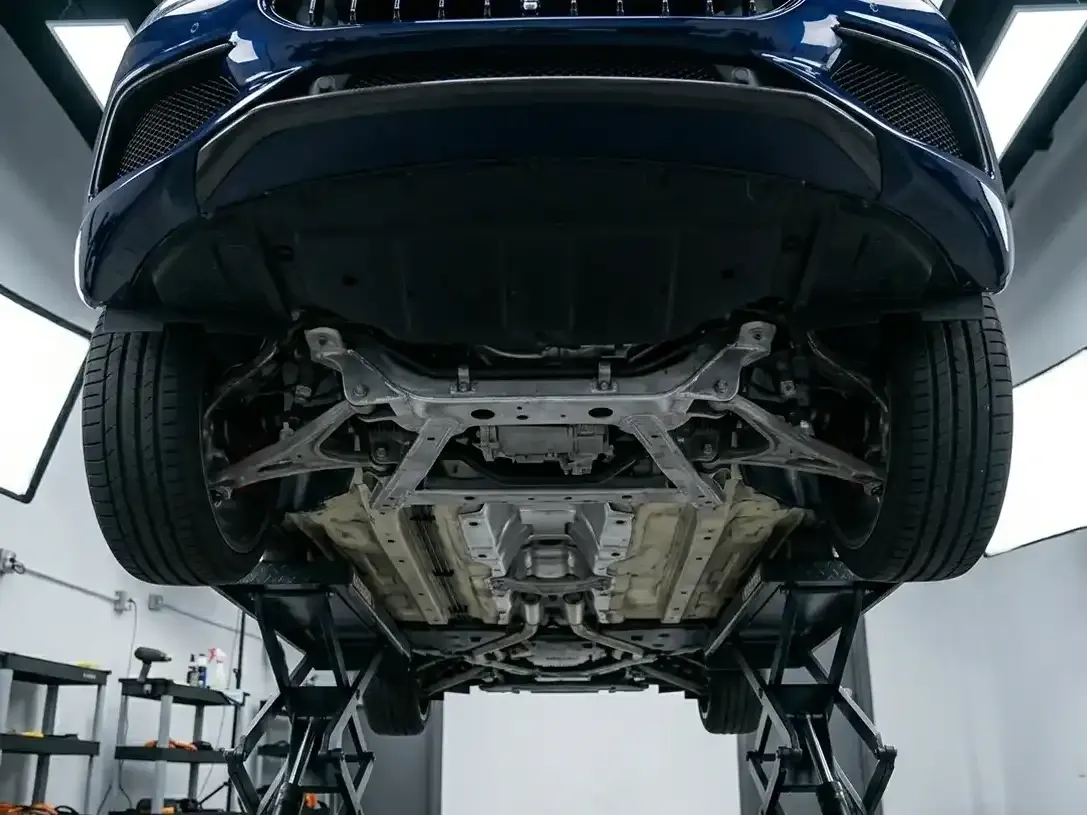
The Long Island Factor
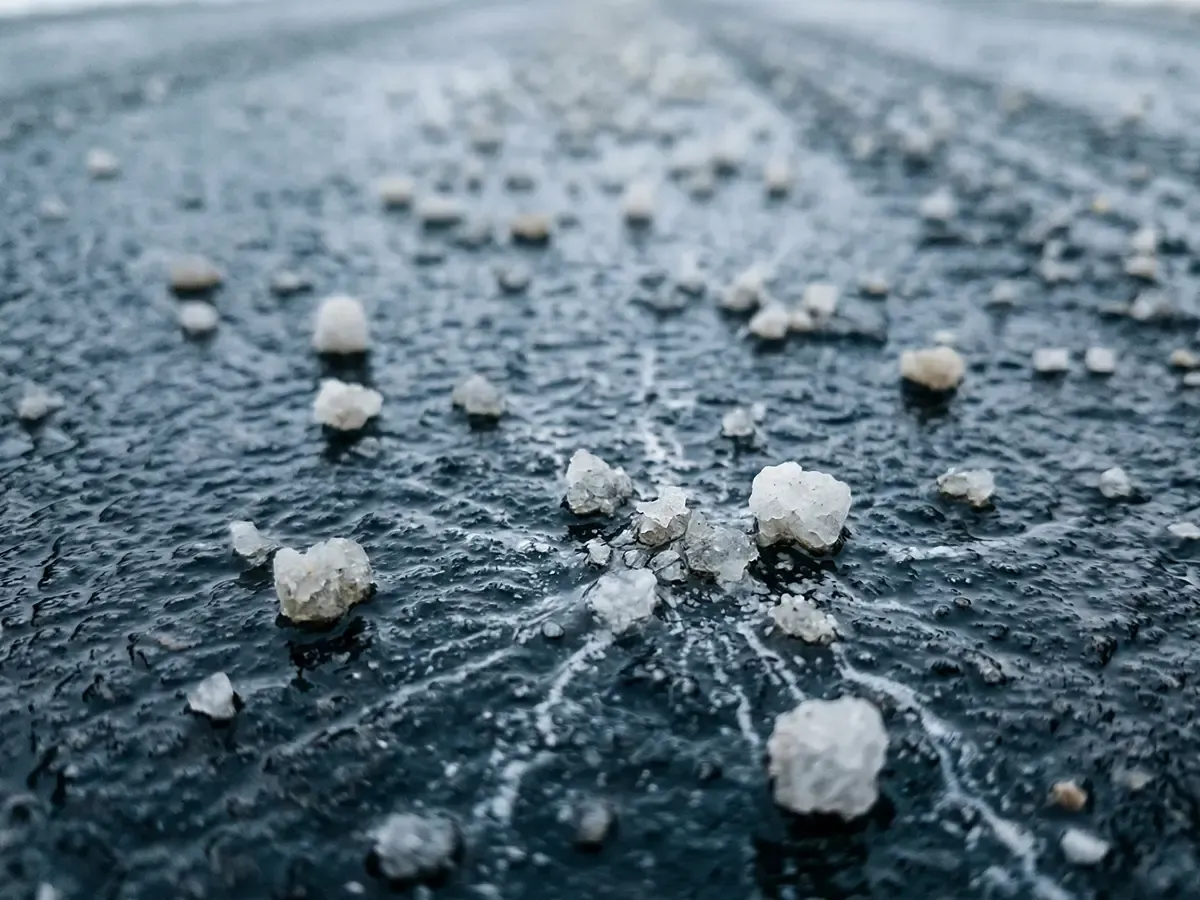
Nassau and Suffolk counties apply millions of pounds of road salt annually. That salt splashes into every cavity, seam, and crevice under your vehicle, and once oxidation starts, it spreads beneath the surface before you ever see it. Undercarriage coating applied before corrosion begins is dramatically more effective than treating rust after the fact.
Coverage Zones
Every high-risk zone is treated, not just the visible underfloor.
Primary structural members most exposed to road spray and salt accumulation.
Underfloor sheet metal that corrodes from both road moisture and interior condensation.
Highest-impact zone, constant gravel, water, and salt bombardment from all four tires.
Side sills trap moisture and debris; among the first areas to show rust perforation.
Heat cycling makes bare metal here especially vulnerable to oxidation.
Corrosion at mounting points affects structural integrity, sealed first in our process.
Why It Matters
Seals metal surfaces against water intrusion, the primary driver of structural rust.
Critical for Long Island vehicles. Winter road salt accelerates metal corrosion dramatically without a barrier.
The rubberized coating reduces road noise transmitted through the floor, improving interior quietness.
Prevents rust from compromising frame integrity, floor pans, and suspension mounting points over time.
Our Process
We inspect the undercarriage for existing rust and document the condition before any coating is applied.
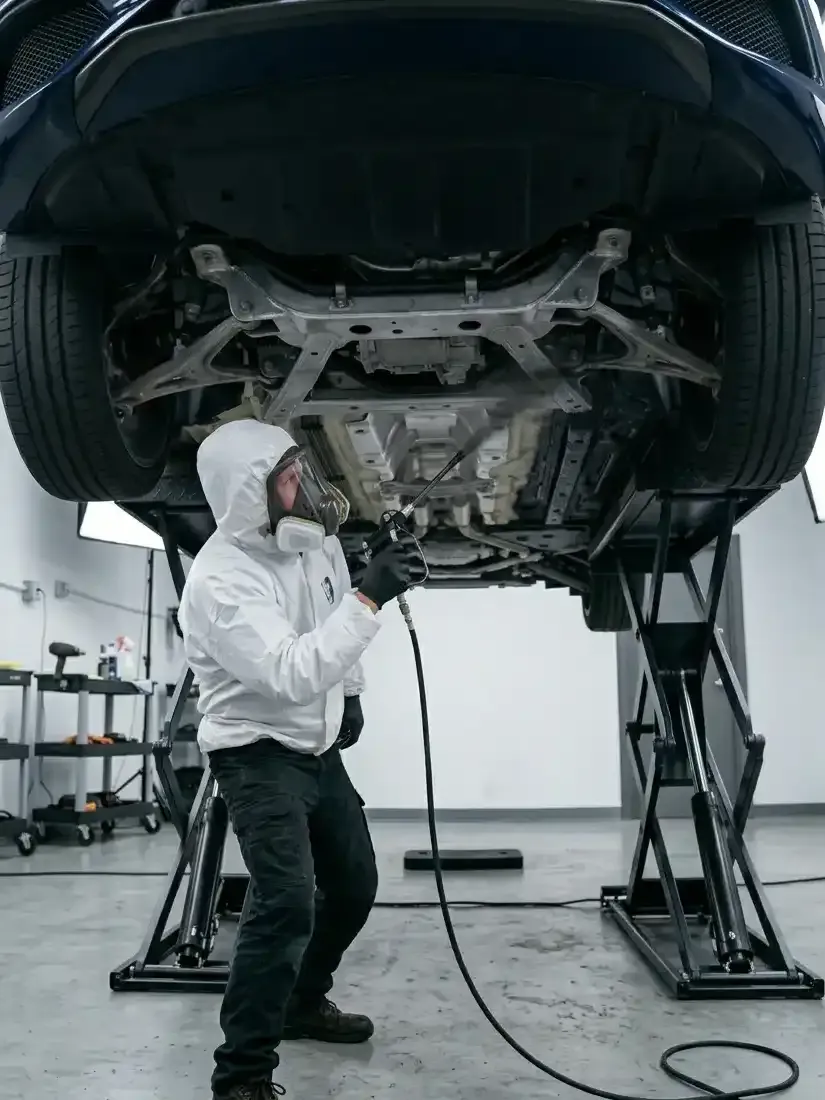
The undercarriage is pressure washed, dried, and any light surface rust is treated before coating.
Rubberized coating is applied in a uniform layer covering all exposed metal surfaces, frame rails, and wheel wells.
Coating cures and a final inspection confirms complete coverage with no missed areas.
Is It Right For You?
Essential for any vehicle driven on Long Island roads during winter. Most valuable when applied to new vehicles before the first winter season, rust protection is far less effective once surface rust has already established.
Client Feedback
"New car came off the lot in November. Had the undercarriage coated before the first snowstorm. Exactly the right move."
"Finally did this on my truck after years of worrying about road salt. The inspection before coating was thorough, no shortcuts."
"Four-year-old car still looks perfect underneath. This is the kind of thing you do and forget about, in a good way."
Common Questions
As early as possible, ideally on a new vehicle before the first exposure to road salt. It's still worthwhile on used vehicles after the undercarriage is inspected and prepped.
Light surface rust can be treated and coated. Significant structural rust requires remediation first. We inspect and document before proceeding.
Properly applied rubberized coatings typically last 5+ years. We can inspect and recoat as needed.
No, we recommend washing the undercarriage periodically, especially after winter driving. The coating protects, but salt buildup should still be removed.
Long Island Expertise
Nassau and Suffolk counties apply millions of pounds of road salt each winter season. That salt stays active on road surfaces for days after a storm, every commute splashes it into frame rails, floor pans, and rocker panels where it sits and oxidizes. Long Island vehicles that aren't protected typically show visible rust within three to five years, and frame rust is consistently the reason older Island vehicles get totaled at inspection. Our rubberized undercoating seals every high-risk zone before that process begins.
Our Ronkonkoma location puts us at the center of Suffolk County's most heavily salted road network. We see customers from all over Long Island, Deer Park, Brentwood, Islip, Patchogue, Setauket, who drive the same salt-covered county roads and expressways. New vehicles should be coated before the first winter. Used vehicles require a thorough inspection and any rust treatment before coating. Either way, this is the single most cost-effective protection investment available for a Long Island vehicle.
Coverage Area
Located at 1951 Ocean Ave, Ronkonkoma, NY 11779.
Serving all of Nassau and Suffolk County.
AUTO PROTECTION
 AUTO PROTECTION
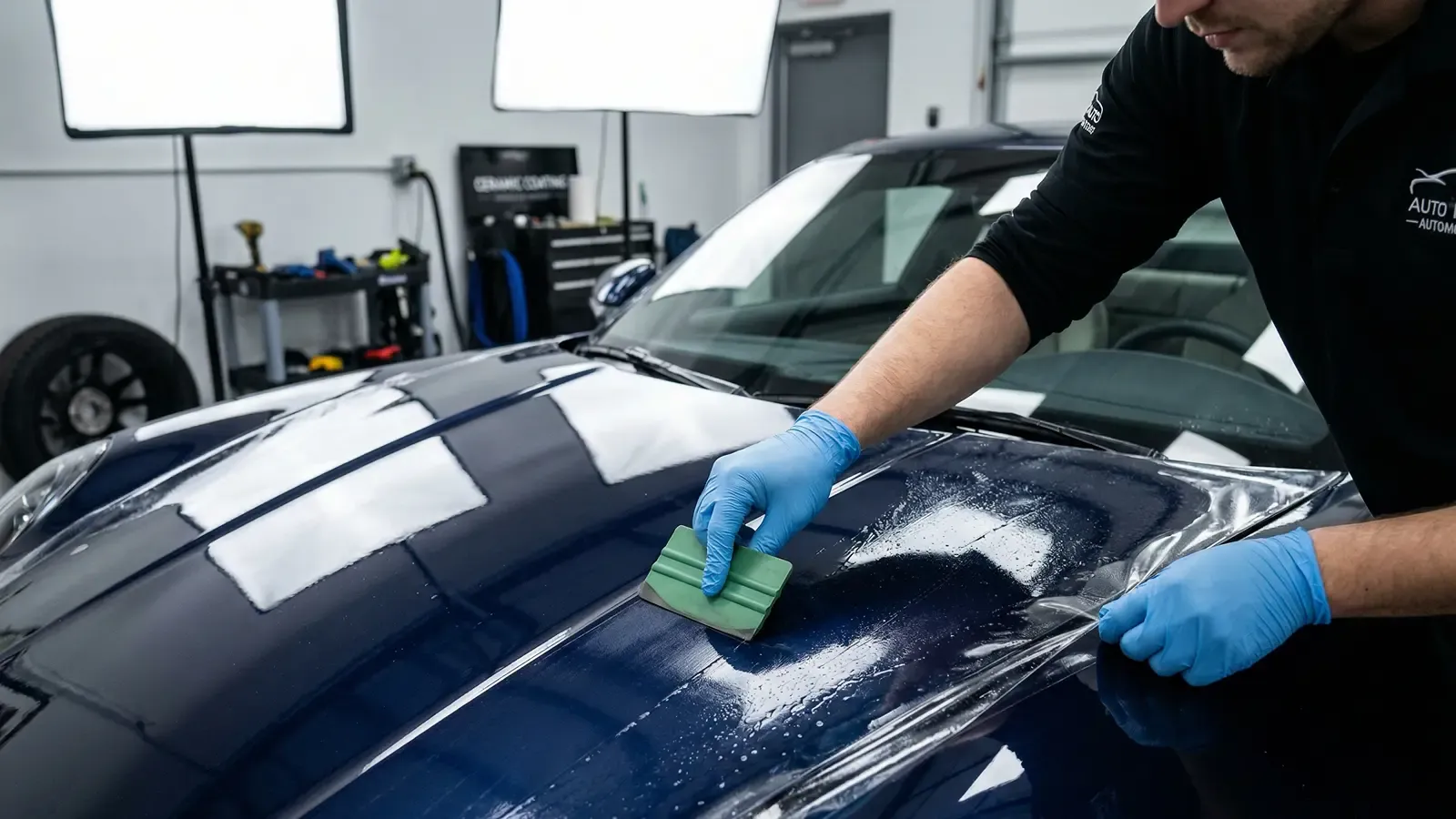
 A clear, high-impact film that shields your paint from rock chips, scratches, and road debris.
View Paint Protection Film (PPF)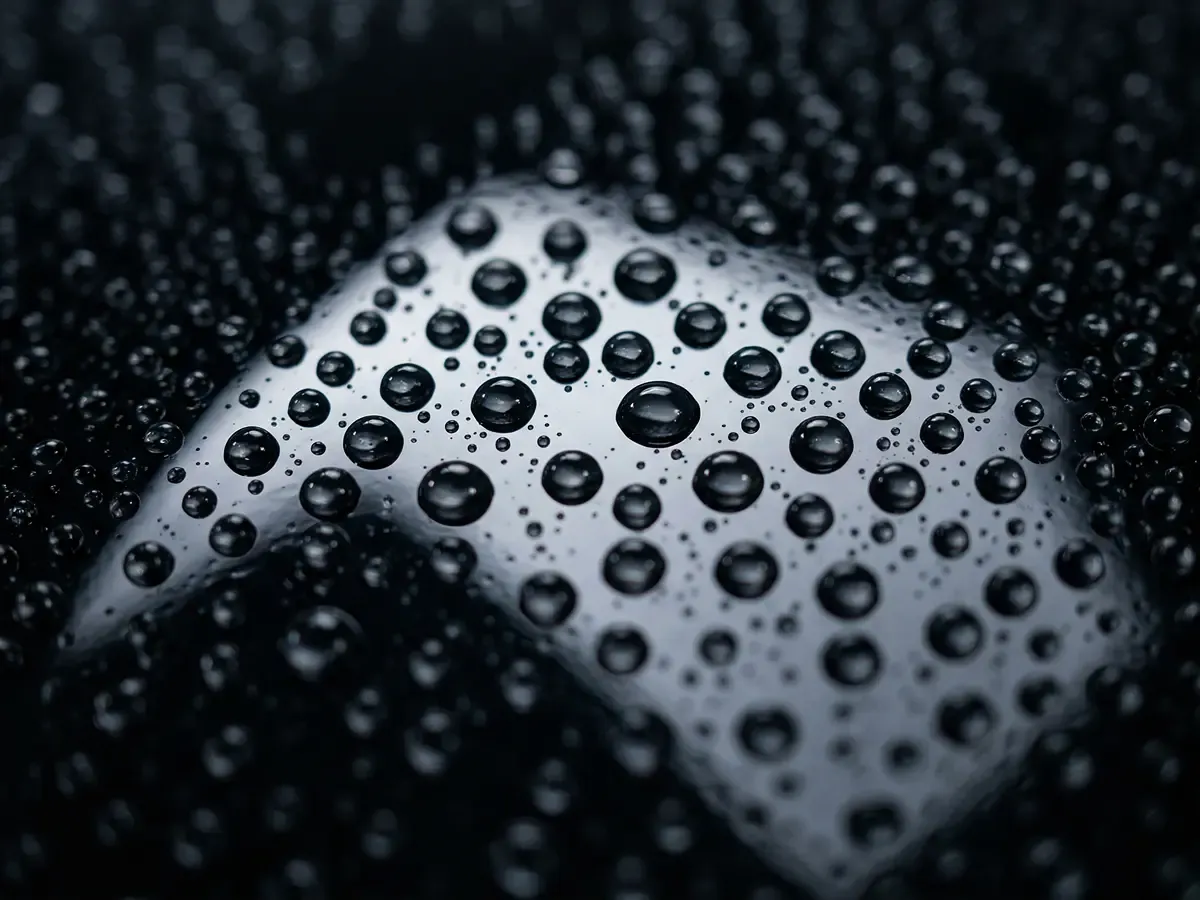 AUTO PROTECTION
 Nano-ceramic barrier that bonds to your paint for years of hydrophobic, scratch-resistant protection.
View Ceramic Coating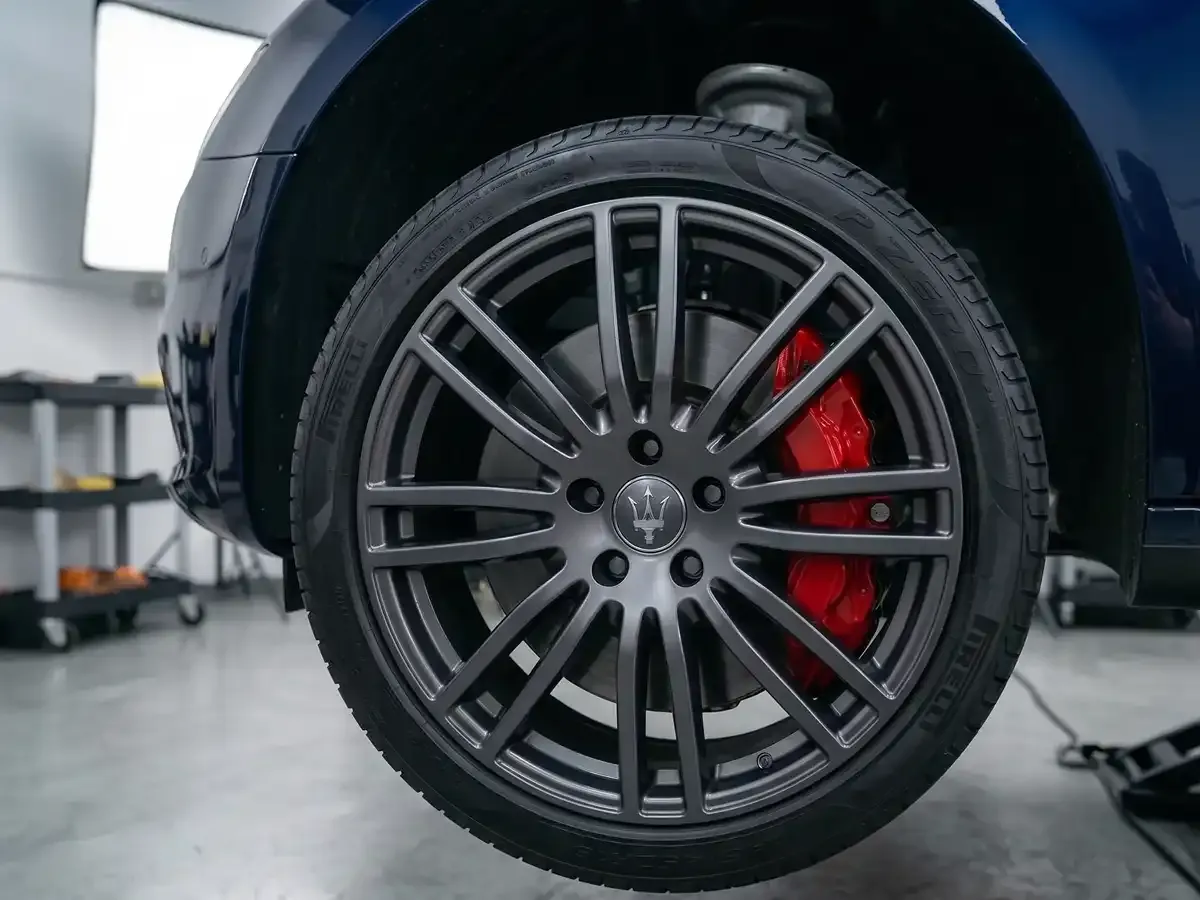 AUTO PROTECTION
 Ceramic and powder coatings engineered to withstand extreme brake heat and road contamination.
View Wheel & Caliper CoatingsOnce rust takes hold, it spreads. Book a free inspection and quote today.
Get a Free Quote →